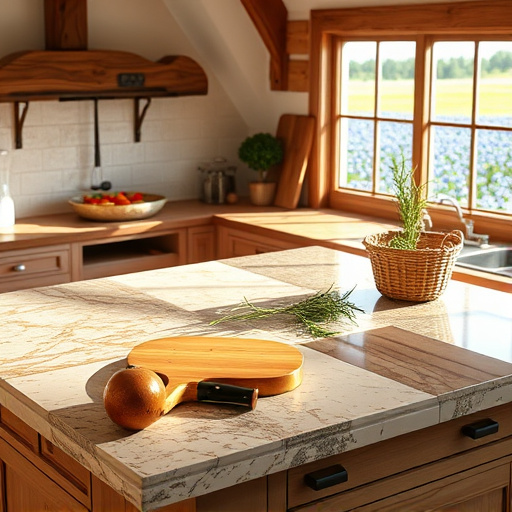
What Countertops Features Work Best for Outdoor Kitchens?
Discover the Ultimate Guide: What Countertops Features Work Best for Outdoor Kitchens
Transforming your outdoor space into a culinary haven requires more than just a grill and seating area. The heart of an outdoor kitchen is its countertops — the functional, aesthetic, and enduring surfaces that tie the entire space together. But with countless options, discerning which what countertops features work best for outdoor kitchens becomes critical. This comprehensive guide delves into how you can select countertops that marry style with resilience, ensuring your outdoor kitchen remains stunning and practical for years to come.
Why Are Countertop Features Critical for Outdoor Kitchens?
Outdoor kitchens are exposed to a range of environmental factors—sun, rain, wind, and temperature fluctuations. Unlike indoor surfaces, outdoor countertops must withstand these elements while maintaining their beauty and functionality. The features you prioritize directly influence durability, ease of maintenance, and overall aesthetic appeal.
Choosing the right features isn't just about looks; it’s about resilience and practicality. Your countertops must be heat-resistant, stain-proof, crack-resistant, and easy to clean. These features ensure longevity and prevent frequent replacements, ultimately saving money and effort.
What Are the Most Durable Materials for Outdoor Kitchen Countertops?
When exploring what countertops features work best for outdoor kitchens, material selection is paramount. Here’s a rundown of top contenders based on resilience, maintenance, and visual appeal:
- Granite — A natural stone renowned for its hardness and heat resistance. It’s resistant to scratches and stains when properly sealed.
- Quartzite — Similar to granite but offers a unique natural look with excellent durability against heat and moisture.
- Concrete — Highly customizable in color and texture, concrete can handle the elements if correctly sealed and reinforced against cracking.
- Soapstone — A softer stone that develops a rich patina over time, offering excellent heat resistance and low porosity.
- Recycled Composite Materials — Eco-friendly and highly resistant to stains, scratches, and UV damage, making them a sustainable choice for outdoor kitchens.
Which Features Enhance Resistance to Outdoor Elements?
Understanding what countertops features work best for outdoor kitchens involves focusing on specific qualities that mitigate environmental damage. Here are critical features to consider:
Yes. Opt for materials and finishes that resist water absorption, UV rays, and temperature changes. Materials like granite, quartzite, and sealed concrete excel here. Look for countertops with integrated UV protectants or sealers that prevent fading and damage over time.
Essential. Outdoor kitchens often see spills from oil, sauces, and wine. Choose surfaces with low porosity and high resistance to staining. For instance, engineered quartz can be engineered for maximum stain and scratch resistance while maintaining a sleek look.
Absolutely. Features such as sealed surfaces prevent dirt and grime buildup, simplifying cleaning. Additionally, countertops with anti-microbial finishes can enhance hygiene, especially in outdoor cooking areas exposed to various elements and pests.
How Do Aesthetic Features Impact Outdoor Kitchen Countertops?
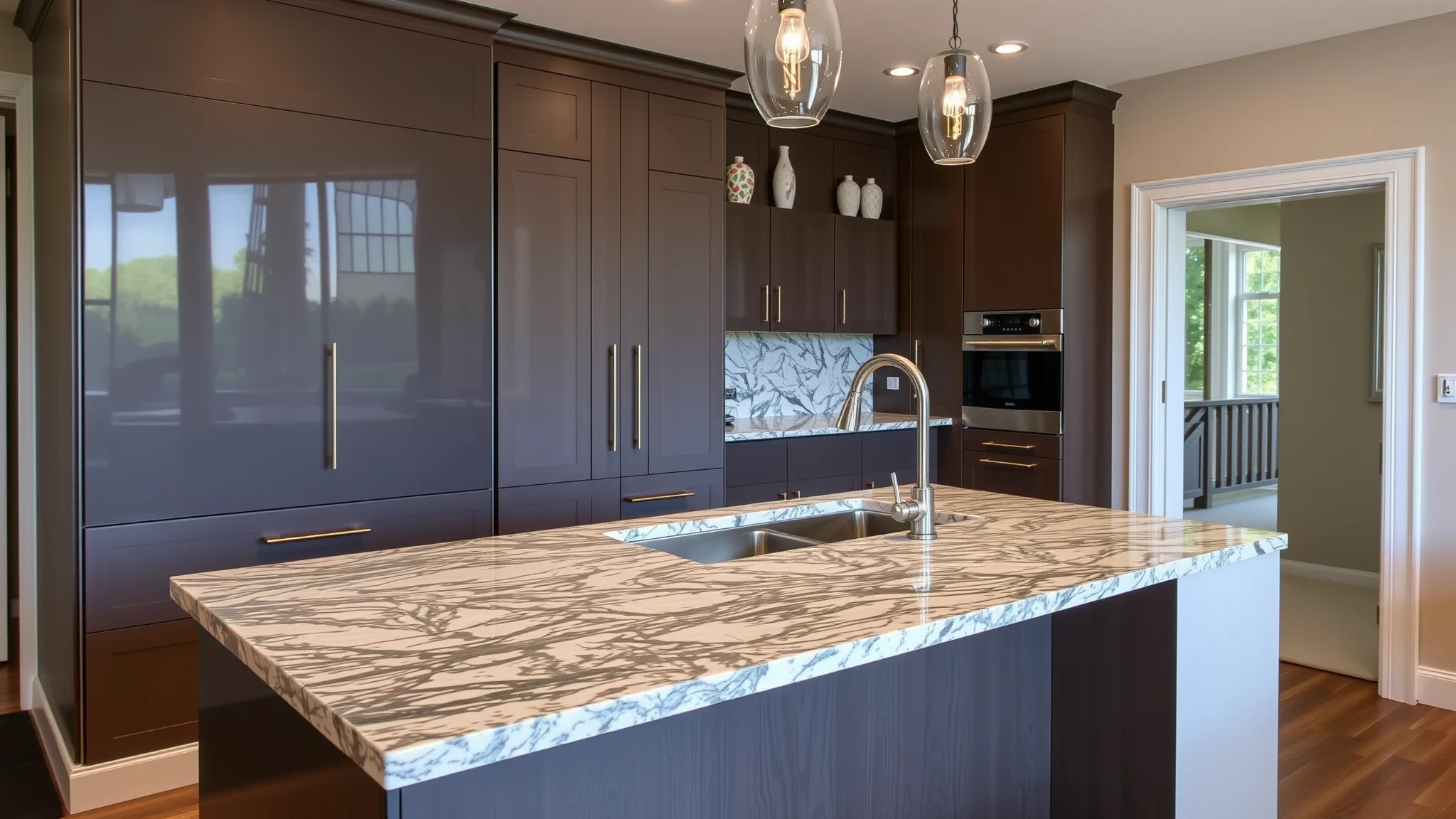
Choosing what countertops features work best for outdoor kitchens isn’t solely about durability. Aesthetics play a vital role. Features like color consistency, texture, and pattern help integrate your countertops with other design elements for a cohesive look. Natural stones like granite and quartzite offer a range of patterns, while concrete surfaces can be customized to fit any aesthetic preference.
Don't forget the importance of finishing details such as beveled edges, integrated sinks, or built-in cutting boards. These features enhance functionality and elevate visual appeal.
What Are the Key Factors to Consider When Selecting Countertop Features?
Evaluating your outdoor kitchen’s specific needs is crucial. Consider these factors:
- Climate: Is your area prone to harsh winters or intense sun? Materials like granite tolerate extreme weather well.
- Usage: Will your kitchen see frequent heavy cooking or entertaining? Durable, scratch-resistant materials are ideal.
- Maintenance: Are you prepared for periodic sealing or cleaning routines? Some surfaces require less upkeep than others.
- Budget: Balancing quality features with budget constraints ensures optimal selection without overspending.
How to Properly Install Your Outdoor Countertops for Longevity?
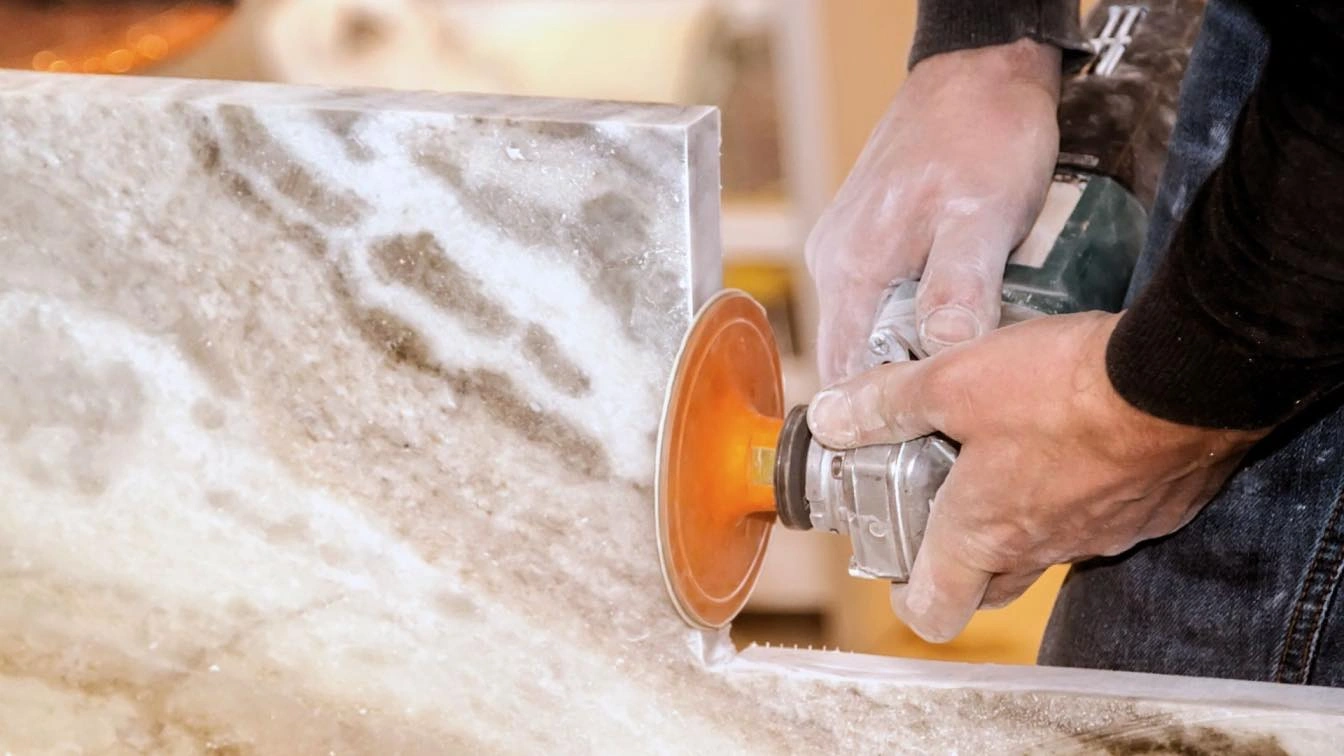
Installation is as crucial as material choice. Proper installation ensures the features perform as intended and resist outdoor challenges. Key steps include:
- Choosing experienced professionals familiar with outdoor applications
- Ensuring accurate templating to accommodate design features
- Using appropriate adhesives, sealants, and supports tailored for outdoor conditions
To better understand the installation process, refer to [this detailed guide on countertop installation steps](https://bcgcabinetandstone.com/post/what-are-the-steps-for-countertops-installation).
What Are Popular Countertop Options for Different Outdoor Settings?
Every outdoor space has unique needs. Here’s a quick overview of the best options based on setting, style, and resilience:
- Granite and Quartzite: Timeless and durable, perfect for high-use areas.
- Concrete: Highly customizable, ideal for modern aesthetics.
- Recycled Materials: Eco-conscious choices for sustainable outdoor living.
How Can I Find the Best Suppliers and Store for Outdoor Countertops?
Quality matters. To find the best suppliers, consider their reputation, selection, and expertise. Visit local stores or explore online options. For recommendations, check out top countertops stores in Dallas, Texas. They provide premium selections with professional guidance to help you make informed decisions.
What Are the Most Common Mistakes to Avoid When Choosing Outdoor Countertops?
Knowing potential pitfalls helps preserve your outdoor kitchen’s integrity. Common mistakes include:
- Choosing low-quality materials that cannot withstand weather elements
- Ignoring proper sealing and maintenance routines
- Overlooking the importance of professional installation
- Neglecting your climate factors in material selection
Avoiding these mistakes ensures your outdoor countertops serve their purpose beautifully and reliably.
FAQs: Your Questions About Outdoor Kitchen Countertops Answered
Granite’s natural stone composition offers exceptional durability, resistance to heat, scratches, and moisture, making it ideal for outdoor environments.
Typically, sealing should be performed annually or based on the manufacturer’s recommendations to maintain stain resistance and surface integrity.
Yes, when properly sealed and reinforced, concrete countertops provide versatile aesthetics, durability, and customization options suitable for outdoor kitchens.
The right tools include saws, drills, trowels, sealers, and leveling equipment. For a comprehensive list, see [what tools are needed for countertops installation](https://bcgcabinetandstone.com/post/what-tools-are-needed-for-countertops-installation).
Regular cleaning with non-abrasive cleaners, resealing as recommended, and avoiding harsh chemicals help preserve their appearance and integrity.
Conclusion
Choosing what countertops features work best for outdoor kitchens hinges on understanding your environment, aesthetic preferences, and functional requirements. Durability, weather resistance, and ease of maintenance are key features that ensure your outdoor countertops stand the test of time. By prioritizing quality materials, proper installation, and ongoing care, you can create a stunning and resilient outdoor kitchen that elevates your outdoor living experience for years to come.
For expert guidance tailored to your specific needs, consult with professionals or explore trusted suppliers. Remember, the right countertop is an investment that combines style, strength, and practicality—an essential component of any exceptional outdoor culinary space.