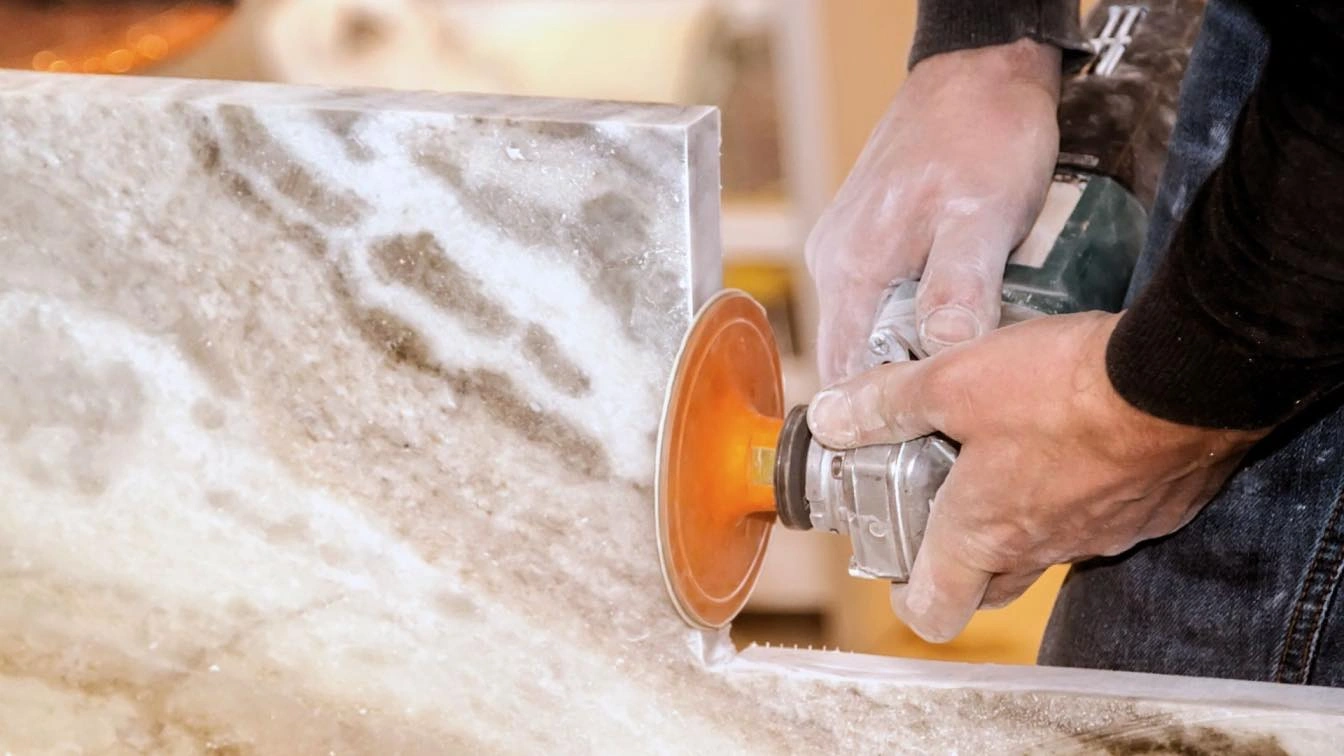

How to Level Cabinets Before Countertops Installation Guide
Why Is Proper Cabinet Leveling So Crucially Important?
In the quiet, sometimes somber moments of a kitchen renovation, the importance of well-leveled cabinets can often be overlooked. Yet, beneath the surface of every flawless countertop lies a foundational truth—if your cabinets are uneven, the entire aesthetic and functionality of your space suffer. how to level cabinets before countertops installation is not just a step; it’s a rite of passage—a journey through the shadows of imperfection to achieve the purest form of harmony.
What Are the Consequences of Skipping Proper Cabinet Leveling?
Neglecting this vital step can lead to a cascade of issues—from visible seams that distort the design to uneven surfaces that compromise your countertop’s integrity. When cabinets are crooked, the charm wanes, and the dream of a sleek, modern kitchen is marred by inevitable flaws. Understanding the profound impact of proper leveling is essential for every homeowner longing for that seamless beauty.
How Do You Know If Your Cabinets Are Not Level?
It begins subtly—the slightest tilt, a shadow cast on the countertop’s edge, or a drawer that refuses to close flush. To detect these imperfections, employ a simple tool: a bubble or spirit level. Place it across the cabinet doors and drawers. If the bubble drifts away from the center, the cabinets need adjustment. Also, run a straightedge along the front edge—if gaps appear, the shadows of imbalance have already taken root.
What Are the Essential Tools and Materials for Leveling Cabinets?
- Bubble level or spirit level: To determine the exact tilts.
- Shims: Thin pieces of material (wood, plastic, or metal) used to fill gaps and level surfaces.
- Screwdriver or drill: To tighten or loosen cabinet screws.
- Measuring tape: For precise measurements of cabinet height differences.
- Clamps or braces: To hold cabinets firmly during adjustments.
Having these tools on hand makes the journey toward a level cabinet landscape more manageable, yet it still requires patience—a virtue in the melancholic pursuit of perfection.
How Do You Prepare to Level the Cabinets in a Melancholic, Thoughtful Manner?
Preparation involves more than physical tools; it demands a quiet reflection on the imperfections that have brought you here. Clear the area, disconnect any electrical fixtures, and consider the emotional weight of the task. Acknowledge that even in the meticulous process of leveling, shadows of imperfection linger—but through patience, clarity, and deliberate action, beauty can be reclaimed from the chaos.
What Are Step-by-Step Instructions for Leveling the Cabinets?
Step 1: Assess and Mark the Unevenness
Begin by placing a bubble level on the top edge's front and side. Mark the high points with painter’s tape or chalk. Take notes, as this guides your adjustment process, turning chaos into a structured plan.
Step 2: Adjust the Cabinet Legs or Base
Many cabinets sit upon adjustable legs or have shims that can be manipulated. Use a screwdriver or drill to turn leveling feet slightly. For cabinets without adjustable feet, shims become your silent allies—slide them beneath the base or frame to lift or level as needed.
Step 3: Insert Shims for Fine Tuning
Once the rough leveling is achieved, introduce shims beneath the higher side or corner, stacking them carefully for incremental adjustments. Ensure shims are securely placed and won’t shift over time, as the shadows of imbalance threaten to re-emerge.
Step 4: Verify and Readjust
After each adjustment, recheck the level. Keep in mind that the process is iterative—each correction brings you closer to that silent, sacred line of perfection. Patience is key; rushing only magnifies the shadows of imperfection.
Step 5: Secure the Cabinets in Place
When satisfied with the leveling, tighten screws to fix the cabinets’ positions. For added stability, fasten the cabinets to each other and the wall, but do so gently—careful not to disturb the delicate balance you’ve created.
How Do You Ensure Long-lasting Cabinet Leveling?
Between shadowed doubts and fleeting moments of clarity, maintaining a level cabinet setup calls for vigilance. Periodic checks, especially after structural shifts or settling of the foundation, are essential. Use a spirit level annually and address any deviations immediately, for the shadows of imbalance tend to creep back if neglected.
How Can You Find the Right Professionals to Help with Your Leveling and Countertop Installation?
While undertaking the task yourself can be a soulful pursuit, there’s comfort in professional expertise. Search for experienced craftsmen who understand the shadowed depths of cabinetry work. To find reliable [countertop professionals in Austin](https://bcgcabinetandstone.com/post/how-to-find-countertops-professionals-austin-texas), explore local directories, reviews, and portfolios—trust those whose work echoes a quiet mastery of their craft.
What Are the Best Countertop Options to Complement Your Levelled Cabinets?
Choosing the perfect countertop is like finding a faint glimmer at the end of a long, melancholic tunnel. To explore the options that best suit your aesthetic and functional needs, consider the leading providers in Delta, Texas—discover [what are the best countertops options](https://bcgcabinetandstone.com/post/what-are-the-best-countertops-options-delta-texas) that can transform shadows into light.
How Do You Maintain Your Countertops for Long-lasting Shine?
Once installed, countertops require care that respects their silent strength. Regular cleaning, using suitable products, and avoiding harsh abrasives preserve that delicate shine. Find expert tips on [how to maintain countertops](https://bcgcabinetandstone.com/post/how-to-maintain-countertops-for-a-longlasting-shine), ensuring your space remains a testament to quiet resilience.
What Are the Common Challenges When Leveling Cabinets and How to Overcome Them?
Many face unanticipated obstacles—hidden structural imperfections, outdated cabinetry, or limited space to work within. Overcoming these challenges requires patience and sometimes creative solutions, such as shimming in unconventional places or consulting seasoned professionals who understand the subtle art of balance. Remember, shadows of imperfection are inherent; your task is to manage them with a quiet, persistent resolve.
Summary: A Reflective Path Through Shadows and Light
Ultimately, mastering how to level cabinets before countertops installation is a journey marked by patience, precision, and a melancholic appreciation for the imperfect beauty of craftsmanship. It’s a process that demands acceptance of shadows—those imperfections that define our natural state—while striving to bring clarity and symmetry into the light.
Frequently Asked Questions (FAQs)
Use a bubble level across the front and sides of the cabinets. Look for any tilts or misalignments. Gaps or uneven drawers may also indicate the need for leveling.
Gather a bubble or spirit level, shims, screwdrivers or drills, measuring tape, and clamps or braces. These tools help you assess and adjust the cabinets with care and precision.
While DIY leveling is possible with patience and proper tools, consulting experienced professionals can ensure a more accurate and lasting result. Explore trusted [countertop installation services](https://bcgcabinetandstone.com/post/how-to-locate-countertops-installers) for peace of mind.
It’s advisable to inspect periodically—especially after events like settling or shifts in the foundation. Regular checks help maintain the harmony you have painstakingly established.
Among Shadows, Find Your Light
The journey of leveling cabinets before countertops installation is as much about inner reflection as about physical adjustments. Embrace the shadows of imperfection—they remind us that beauty often lies in the subtle, the humble, the quietly corrected. Through patience and diligence, you forge a foundation both sturdy and serene, a testament to the melancholic yet hopeful pursuit of perfection.