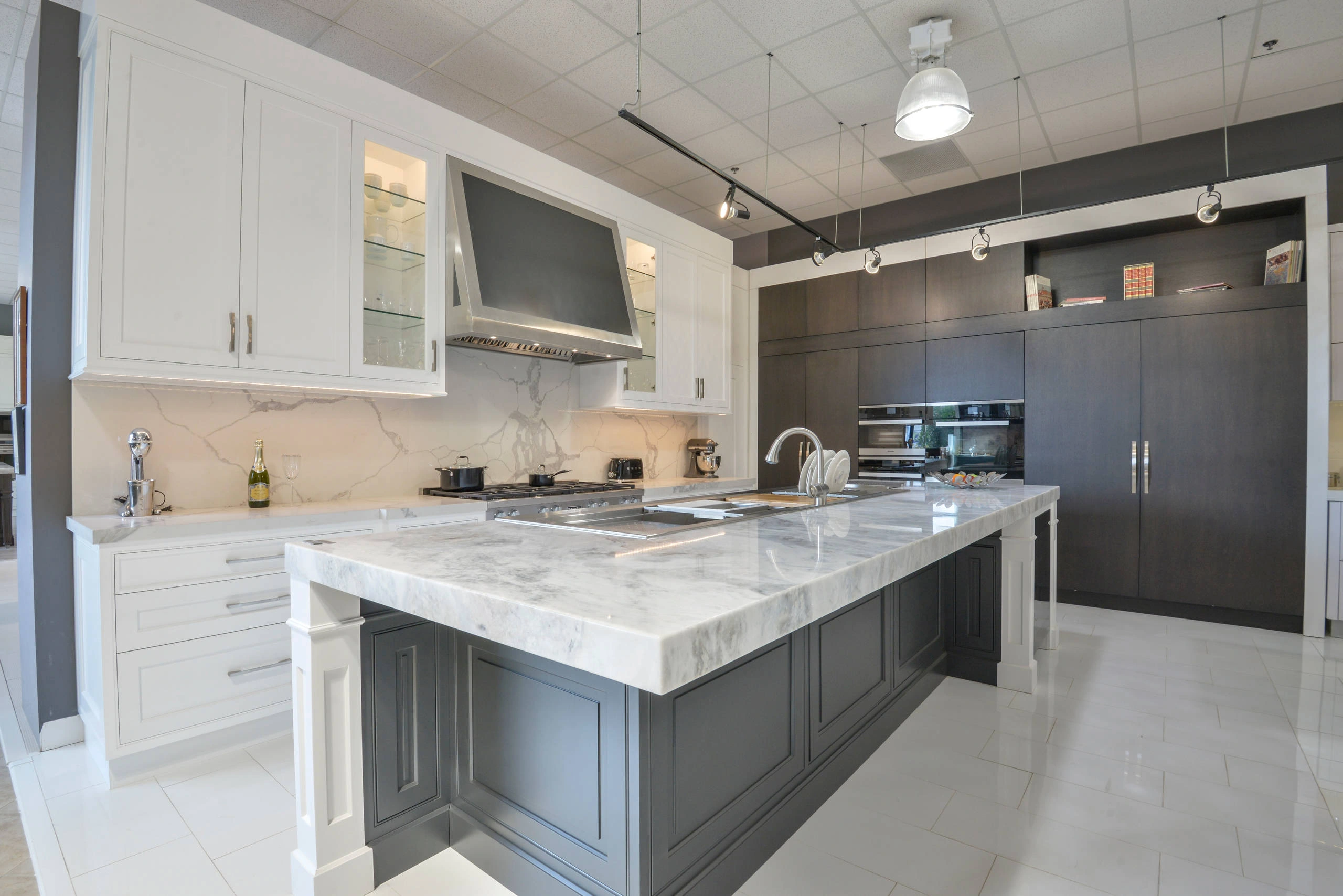

How to Install Countertops with a Backsplash: A Complete Guide
Why Is Proper Installation of Countertops with a Backsplash Essential?
Transforming your space begins with knowing how to install countertops with a backsplash—the foundation of both aesthetics and functionality in your kitchen or bathroom. Proper installation ensures durability, enhances visual appeal, and provides a seamless feel that elevates your entire room. In this guide, we’ll take you through each critical step, unravel common challenges, and share expert tips for a flawless finish.
What Materials Do You Need to Install Countertops with a Backsplash?
Before diving into the installation process, gather your tools and materials. Having everything on hand streamlines the project and reduces delays. Essential items include:
- Countertop material (granite, quartz, laminate, porcelain, etc.)
- Backsplash tiles or panels
- Measuring tape and pencil for marking
- Level and straightedges
- Drill and appropriate bits
- Caulk gun and high-quality sealant
- Adhesive suitable for your countertop and backsplash materials
- Clamps and spacers for alignment
- Protective gear (gloves, safety glasses)
Additional specialty tools may be required depending on your material choice. For example, learning about different types of countertops can help you select the right adhesives and tools.
How Do You Measure and Prepare for Installing Countertops with a Backsplash?
Precision begins with measuring your space meticulously. Use a tape measure to record the length and width of your countertop area, and note any odd angles or protrusions. Always measure multiple times to confirm accuracy, and account for overhangs if desired. Mark your measurements clearly on your surface or on cardboard templates.
Preparation involves cleaning and leveling the surface underneath. Remove all debris, old adhesive, or residues that might interfere with adhesion. If your existing base is uneven, consider leveling it with a self-leveling compound or sanding. Proper prep creates a stable foundation for your new installation.
What Are Step-by-Step Guidelines for Installing Countertops with a Backsplash?
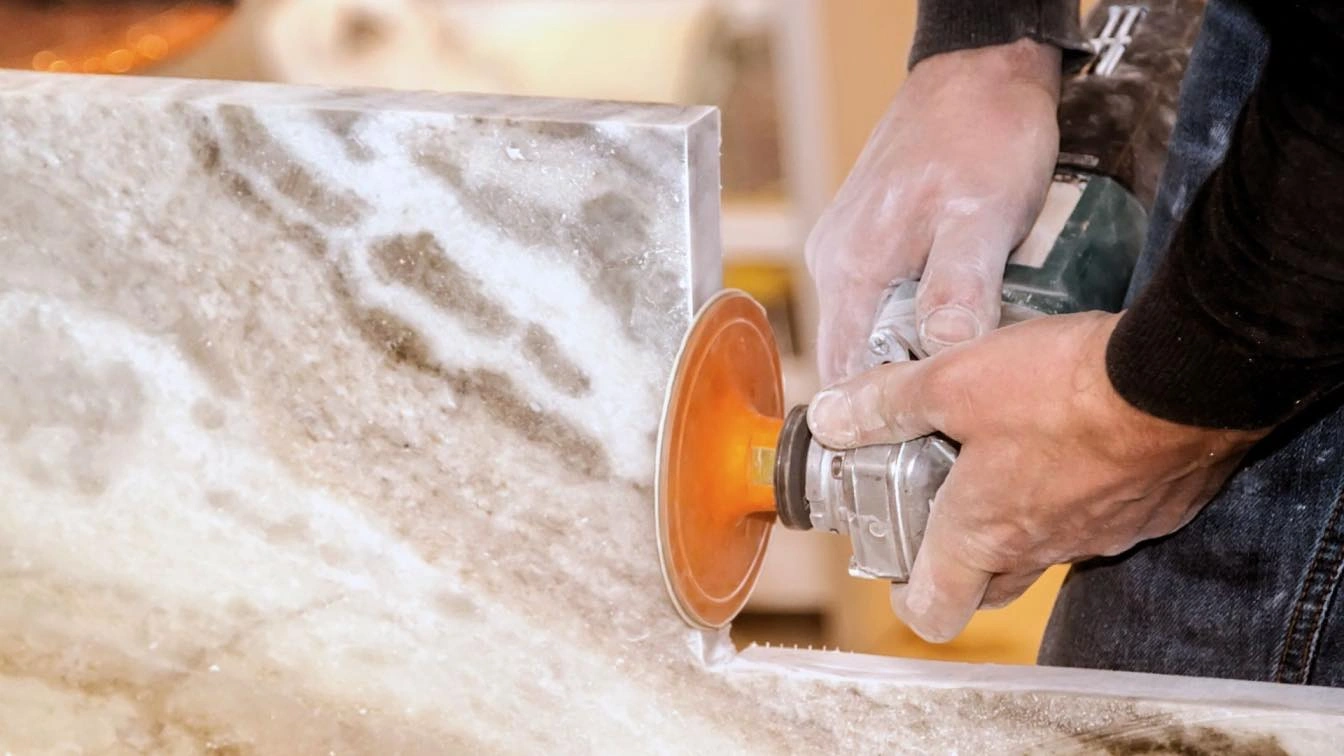
Accurate cuts are vital. Use your measurements to mark the countertop and backsplash materials with a pencil and straightedge. Employ a circular saw with an appropriate blade for your material—be it laminate, quartz, or porcelain. Always cut on a stable surface, and wear safety gear.
For detailed guidance, visit this resource on countertop cuts for unique spaces.
Apply a thin, even layer of adhesive along the mounting surface using a notched trowel. Carefully lay the countertop into place, ensuring alignment with your markings. Use clamps or spacers to hold the materials steady while the adhesive cures. Check levels periodically to maintain straightness.
Once the countertop is secured, apply a high-quality sealant or caulk along the seams, edges, and at the junction where the backsplash meets the countertop. This step prevents water infiltration and future damage. For tips on maintaining your countertops, visit this cleaning guide.
How Do You Properly Attach the Backsplash for a Seamless Look?
Align your backsplash tiles or panels with your countertop edges, ensuring consistent spacing. Use a waterproof adhesive specified for your backsplash material. Press firmly and hold until secure. For tile backsplashes, apply grout with a rubber float, then clean excess grout with a damp sponge. For panel backsplashes, ensure a tight seal along the edges.
Always review countertop options to select the most suitable backsplash material for your style and durability needs.
What Common Mistakes Should You Avoid During Installation?
- Rushing measurements or cuts—accuracy is paramount.
- Using incompatible adhesives for materials—always check manufacturer recommendations.
- Neglecting to level and square the countertops—ensure everything is perfectly aligned before fixing in place.
- Failing to seal properly—water damage is a top concern in wet areas.
- Overlooking ventilation and safety precautions—always wear protective gear and work in a well-ventilated space.
How Can You Finish Your Countertop and Backsplash for a Professional Look?
After securing everything, inspect your work for gaps or uneven edges. Use a finishing trim or molding if needed, for an extra polished look. Wipe all surfaces with a damp cloth to remove dust and debris.
If your project involves advanced materials like porcelain slabs or minimalist designs, explore this post on specialized tips for these modern styles.
How Do You Maintain and Care for Installed Countertops with a Backsplash?
Proper maintenance prolongs your investment. Regularly clean surfaces with gentle cleaners suitable for your material. For matte-finish surfaces, follow specific care routines outlined in this guide. Address spills promptly to prevent staining or damage, and avoid abrasive scrubbers that can scratch or dull your surfaces.
FAQs About How to Install Countertops with a Backsplash
Reliable power tools such as circular saws, drills, and screwdrivers make the process easier. A quality level and measuring tape ensure precision. For detailed advice, consult our comprehensive guide to countertops.
Choosing waterproof adhesive and sealing all seams are critical. Applying a waterproof sealant behind and around the backsplash prevents moisture ingress, which can lead to mold or structural issues over time.
If you have experience with similar projects, a well-prepared DIY can achieve excellent results. For complex materials or intricate designs, hiring professionals ensures precision and safety, particularly when working with heavy or fragile materials or integrating plumbing fixtures.
Conclusion: Take Your Project from Good to Great
Knowing how to install countertops with a backsplash is a craft that blends precision, patience, and a touch of artistic flair. By understanding each step—from measuring accurately to sealing meticulously—you turn a mundane renovation into a masterpiece that elevates your home’s style and functionality. For more insights into compact kitchen countertops or repairing minor damages, visit our blog. Remember, every detail counts, and with these expert tips, your vision is well within reach.