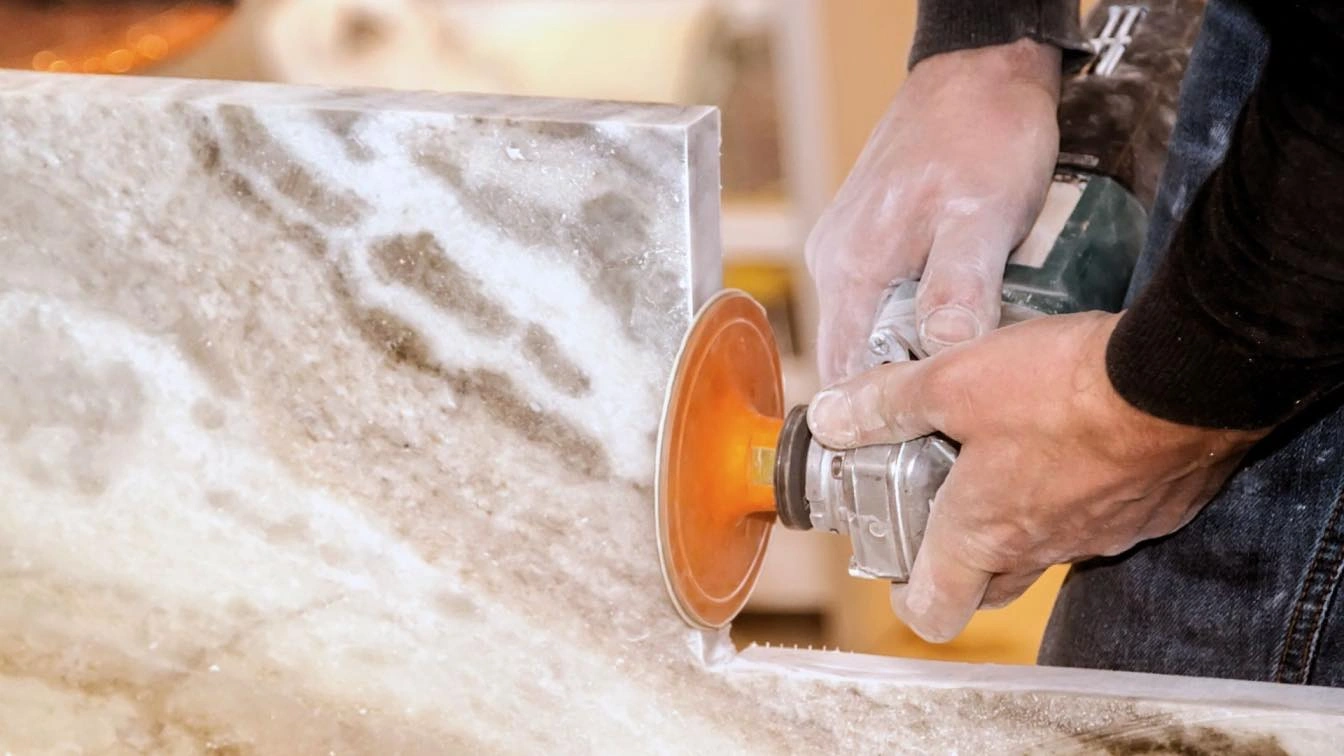

How to Fix Cracks in Concrete Countertops: Easy Steps Guide
Understanding Why Cracks Occur in Concrete Countertops
Cracks in concrete countertops can be unsettling, but they are a common issue faced by homeowners and DIY enthusiasts alike. Recognizing the causes of these cracks is essential to effectively repair and prevent future damage. Factors such as improper mixing, thermal expansion, settling of the foundation, or even accidental impacts can lead to cracks forming over time.
Concrete is a durable material, but it remains susceptible to stress, especially if not properly installed or maintained. Before attempting any repair, it's crucial to identify the type of crack—whether it is surface level or deep—and to consider the overall condition of your countertop.
What Are the Essential Tools and Materials Needed to Fix Cracks in Concrete Countertops?
- Epoxy or commercial concrete crack filler
- Silicone-based sealant (for surface sealing)
- Wire brush or vacuum
- Putty knife or trowel
- Sandpaper (medium and fine grit)
- Water and detergent for cleaning
- Protective gloves and safety glasses
- Colorant or stain (if color matching is needed)
Having the right tools and materials ready ensures a smoother repair process. For more insights into selecting the best countertop materials, visit top-rated countertop providers.
How Can I Prepare My Concrete Countertop Before Repair?
Preparation is key to a successful repair. Begin by thoroughly cleaning the cracked area using a mixture of water and mild detergent to remove dirt, grease, or any loose debris. Use a wire brush or vacuum to clear out debris from deep within the crack, ensuring the filler will adhere properly.
If the surface has any oils or stains, consider using a concrete cleaner or degreaser specific for countertops. After cleaning, allow the surface to dry completely. Proper preparation creates a clean, solid foundation for effective crack repair.
What Are the Best Methods to Fill and Seal Cracks in Concrete Countertops?
Choosing the appropriate filler depends on the size and depth of the crack. For hairline cracks, a simple epoxy or high-quality concrete patching compound works well. For larger or more prominent cracks, use a commercial concrete crack filler designed for deep fills. Ensure the product is compatible with indoor use and food-safe if your countertop is in a kitchen or food prep area.
Follow these steps for the best results:
- Mix the crack filler according to the manufacturer's instructions.
- Use a putty knife or trowel to press the filler into the crack, ensuring it fills the entire depth.
- Smooth the surface to level it with the surrounding countertop.
- Allow the filler to cure as per the product's recommended drying time.
After curing, lightly sand the area with medium grit sandpaper to remove excess material and achieve a uniform surface.
How Can I Ensure the Repaired Area Blends Seamlessly with the Rest of the Countertop?
Absolutely. Many epoxy and concrete fillers come with colorants or stains that allow for precise matching. When selecting a filler, consider the existing color palette of your countertop. If you have a creamy white marble or light-toned birch wood, you can find matching pigments to make the repair virtually invisible.
For a seamless look, apply the colorant during the mixing process or stain the repaired area after curing. To explore options for different countertop finishes, visit countertop edge styles.
What Are the Tips for Protecting my Concrete Countertop After Repair?
Yes, sealing is essential to protect your countertop from future damage, stains, and moisture intrusion. Once the repair compound has fully cured and you have sanded the surface smooth, apply a high-quality concrete sealer. This step helps to lock in the repair and restore the countertop's resistance to daily wear and tear.
Regular resealing every 1-3 years is recommended to maintain the longevity of your surface. If you're considering custom finishes, such as unique edge profiles or polished surfaces, learn more at marble countertops for elegant designs.
Are There Preventive Measures to Minimize Future Cracks?
Preventive maintenance is essential to ensure the durability of your concrete countertops. Avoid placing excessive weight or heavy objects on the surface. Use cutting boards and trivets to prevent surface impact. Regularly clean spills promptly to prevent staining or moisture seeping into any micro-cracks.
Additionally, consider professional consultation for any major structural issues, especially if cracks tend to reappear. For comprehensive kitchen design, including countertops and cabinetry, consult an expert at top-rated countertop providers in Rockwall, Texas.
Can I Repair Cracks in Concrete Countertops Myself, or Should I Hire a Professional?
Small cracks and minor damages can often be repaired effectively with DIY methods outlined above. However, for extensive cracking, structural concerns, or if your countertops are part of a high-end custom design, seeking professional assistance from experienced fabricators like BCG CABINET & STONE LLC is advisable. Professionals can precisely match finishes, apply advanced sealing techniques, and ensure the integrity of your surfaces.
For expert guidance and premium craftsmanship, explore our available services tailored to your needs.
Frequently Asked Questions (FAQs)
The curing time varies based on the product used, but typically it ranges from 24 to 72 hours. Always follow the manufacturer's instructions for optimal results.
If the correct sealant and color-matching techniques are applied, the repair should blend seamlessly and resist discoloration. Regular sealing maintenance can extend the appearance of your repair.
Proper installation, high-quality materials, regular maintenance, and avoiding impact or excessive weight are key strategies to prevent cracks. Consulting professionals for installation helps to ensure durability.
Yes, with specialized stains, paints, or sealants, you can customize your countertop's appearance even after initial installation or repair. For creative ideas, check out countertops in classic marble style.
Conclusion: Take Control of Your Concrete Countertop Repairs
Knowing how to fix cracks in concrete countertops empowers you to maintain and restore the beauty and function of your kitchen surfaces. With proper preparation, the right materials, and a little patience, you can handle minor repairs effectively, saving money and extending the lifespan of your countertops.
If your project exceeds your DIY comfort zone, trust the expertise of professionals like BCG CABINET & STONE LLC to deliver flawless results and ensure your surfaces remain stunning and durable.