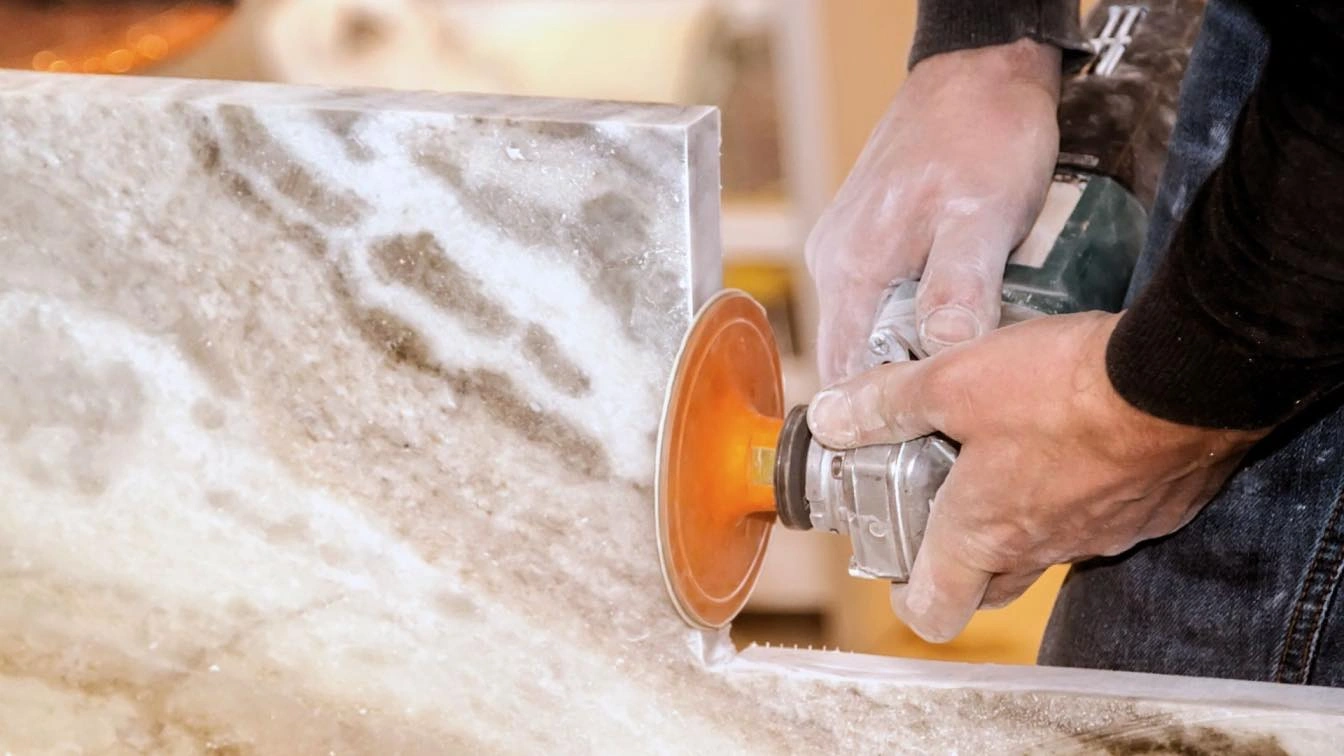
How Often Should You Reseal Granite Countertops: A Guide
Unlocking the Secret: How Often Should You Reseal Granite Countertops for Timeless Beauty?
In the realm of home design, where every detail whispers elegance and history, granite countertops stand as the silent guardians of sophistication. Their natural beauty is undeniable, yet beneath their majestic surface lies a crucial secret—proper maintenance through resealing. But the question remains: how often should you reseal granite countertops to ensure their enduring splendor? Let's embark on a journey through time, material science, and the art of preservation to unveil this secret.
What Makes Granite Countertops a Timeless Choice?
Granite has captivated homeowners for centuries, symbolizing strength, resilience, and natural artistry. Each slab tells a story of volcanic activity, mineral richness, and geological evolution. Its durability makes it a top choice for high-traffic kitchens and bathrooms, where functionality and style intersect seamlessly.
But beauty alone isn't enough—care is essential to maintain that pristine look and resist the wear of daily life. That's where sealing becomes an integral part of maintenance, transforming granite from a stunning surface into a long-lasting work of art.
Why Is Sealing Essential for Granite Surfaces?
Granite is a porous material. Without proper sealing, liquids like water, wine, or oil can seep into the tiny pores, leading to staining, bacterial growth, and surface etching. Sealing acts as a protective barrier, repelling stains and preserving the countertop's natural luster. Think of it as a shield that enhances resilience while maintaining the stone’s aesthetic charm.
Proper sealing also simplifies cleaning, reduces damage risks, and prolongs the life of your investment. But, as with any protective layer, it requires maintenance—specifically, resealing at regular intervals.
How Do You Know When It’s Time to Reseal Your Granite Countertops?
Monitoring your granite's porosity is key. You can perform a simple test: sprinkle a few drops of water on the surface and observe. If the water beads up and remains on the surface, your sealant is still effective. If the water soaks in within a few minutes, it's time to reseal.
Other signs include:
- Discoloration or staining that appears without obvious cause
- Loss of shine or dulled appearance
- Difficulty in cleaning or frequent persistent stains
- Visible cracks or surface etching (more advanced issues)
Regular inspections are essential, especially in kitchens where spills are common, and in areas exposed to high moisture or heat.
What Is the Ideal Frequency for Resealing Granite Countertops?
While many experts recommend resealing every 1 to 3 years, the ideal frequency depends on several factors such as usage, type of granite, and sealant quality. Thinner sealants or those applied on heavily used surface areas may require more frequent attention.
High-traffic kitchens with frequent spills or acidic substances like lemon juice or vinegar might need resealing closer to the 1-year mark. Conversely, less used areas might sustain their protective barrier longer, stretching to the 3-year point.
For homeowners seeking personalized advice, consulting with professionals like experts in countertop options can help determine the best maintenance schedule based on your specific environment.
What Are the Best Techniques to Reseal Granite Effectively?
Resealing granite involves selecting a high-quality sealer designed for porous stone, cleaning the surface thoroughly, and applying the sealer evenly. Here’s a step-by-step guide:
- Clean the surface with a pH-neutral cleaner to remove any debris or residue.
- Dry the surface completely to ensure proper absorption of the sealer.
- Apply the sealer evenly with a clean cloth or sprayer, following manufacturer instructions.
- Let it sit for the recommended time to penetrate the pores.
- Wipe away excess sealer with a soft cloth to prevent streaks or residue.
- Allow sufficient curing time before using the surface again.
Regular maintenance and adherence to product guidelines will maximize durability and beauty. For an added touch of personalization, consider exploring how custom inlay designs can enhance your countertops' exclusivity.
Can You Reseal Granite Countertops Yourself, or Should You Hire a Professional?
While DIY resealing is feasible and cost-effective, professional services ensure thorough application, proper product selection, and optimal results. Experts can evaluate your specific granite type, recommend suitable sealants, and perform the procedure efficiently, minimizing risks of over-application or insufficient coverage.
Professionals from companies like BCG CABINET & STONE LLC bring experienced insights and advanced techniques that extend your countertop’s lifespan and aesthetic appeal. They also can advise on complementary aspects such as countertop design to match your cabinetry for a harmonious look.
How Can Proper Resealing Enhance Your Kitchen’s Aesthetic and Functionality?
Consistently maintained granite countertops radiate timeless beauty, making your kitchen a focal point of elegance. Besides the aesthetic appeal, proper resealing preserves the surface's resistance to stains, scratches, and etching, ensuring it remains functional for years.
Moreover, well-maintained granite surfaces contribute to the overall value of your home, appealing to future buyers or enhancing your personal satisfaction. To explore how your countertops can complement your overall interior, visit our guide on countertops replacement signs.
What Are Common Mistakes to Avoid When Resealing Granite?
- Failing to clean thoroughly before application—residue or dirt can prevent proper sealing.
- Using an incompatible or low-quality sealer—choose products specifically formulated for granite.
- Applying too much or too little sealer—follow manufacturer instructions precisely.
- Rushing the curing process—give the sealant adequate time to set and cure.
Awareness of these pitfalls can significantly improve the longevity of your countertops and simplify routine maintenance.
Conclusion: Preserving Your Granite’s Glory Through Timely Maintenance
In the grand orchestra of home decor, granite countertops strike a chord of majesty and resilience. Their timeless allure depends not only on careful initial installation but also on disciplined, informed maintenance—particularly how often you should reseal granite countertops. By remaining vigilant through water tests, signs of wear, and expert consultations, you safeguard your investment and eternalize the natural artistry embedded in every slab.
Remember, whether DIY or professional, proper resealing is an act of reverence towards the stone's natural history, a symbol of durability, and a pathway to maintaining your home's magnificence. For tailored advice and services that honor this tradition, trust BCG CABINET & STONE LLC—your partner in artisan craftsmanship and enduring beauty.
Frequently Asked Questions (FAQs)
If your kitchen sees frequent use, it’s advisable to reseal every 1 to 2 years to maintain optimal protection against stains and damage.
Yes. Some granites with higher porosity or lighter colors may absorb liquids more readily, necessitating more frequent resealing. Consulting with a professional can help identify your granite's specific needs.
Matte, honed, or polished finishes may require slight adjustments in application technique, but the core principles of cleaning thoroughly and applying a compatible sealer remain consistent.
Reliable sealants can be found at local home improvement stores or through specialist suppliers. For professional sealing services, contact trusted providers like BCG CABINET & STONE LLC for expert assistance.