How Do Countertops Compare to Table Tops in Functionality?
Introduction
In the realm of interior design and functional home surfaces, the debate over how do countertops compare to table tops in functionality remains pervasive among homeowners, designers, and contractors alike. Both elements serve as pivotal surfaces within residential and commercial spaces, yet their purposes, materials, durability, and stylistic potentials often differ significantly. At BCG CABINET & STONE LLC, we understand that selecting the right surface isn’t merely a matter of aesthetics but a strategic choice that impacts daily use, maintenance, and overall space efficiency. This comprehensive exploration aims to demystify these surfaces, equipping you with valuable insights to make informed decisions that elevate your space’s elegance and functionality.
What Are the Core Differences Between Countertops and Table Tops?
While both countertops and table tops are essential flat surfaces in interior environments, their fundamental differences lie in their design intents, material usage, and typical locations. Understanding these distinctions provides clarity on their respective functionalities:
- Primary Purpose: Countertops are primarily designed as durable surfaces for food preparation, cooking, cleaning, and various household chores. Conversely, table tops are generally intended for dining, working, socializing, or display purposes.
- Structural Design: Countertops are usually integrated into cabinetry and built-in furniture, whereas table tops often sit atop standalone tables or desks.
- Material Selection: Both surfaces share common materials like granite, quartz, or wood; however, countertops favor highly durable, stain-resistant, and heat-resistant materials, while table tops may prioritize aesthetic appeal and comfort.
How Do Countertops Compare to Table Tops in Durability and Maintenance?
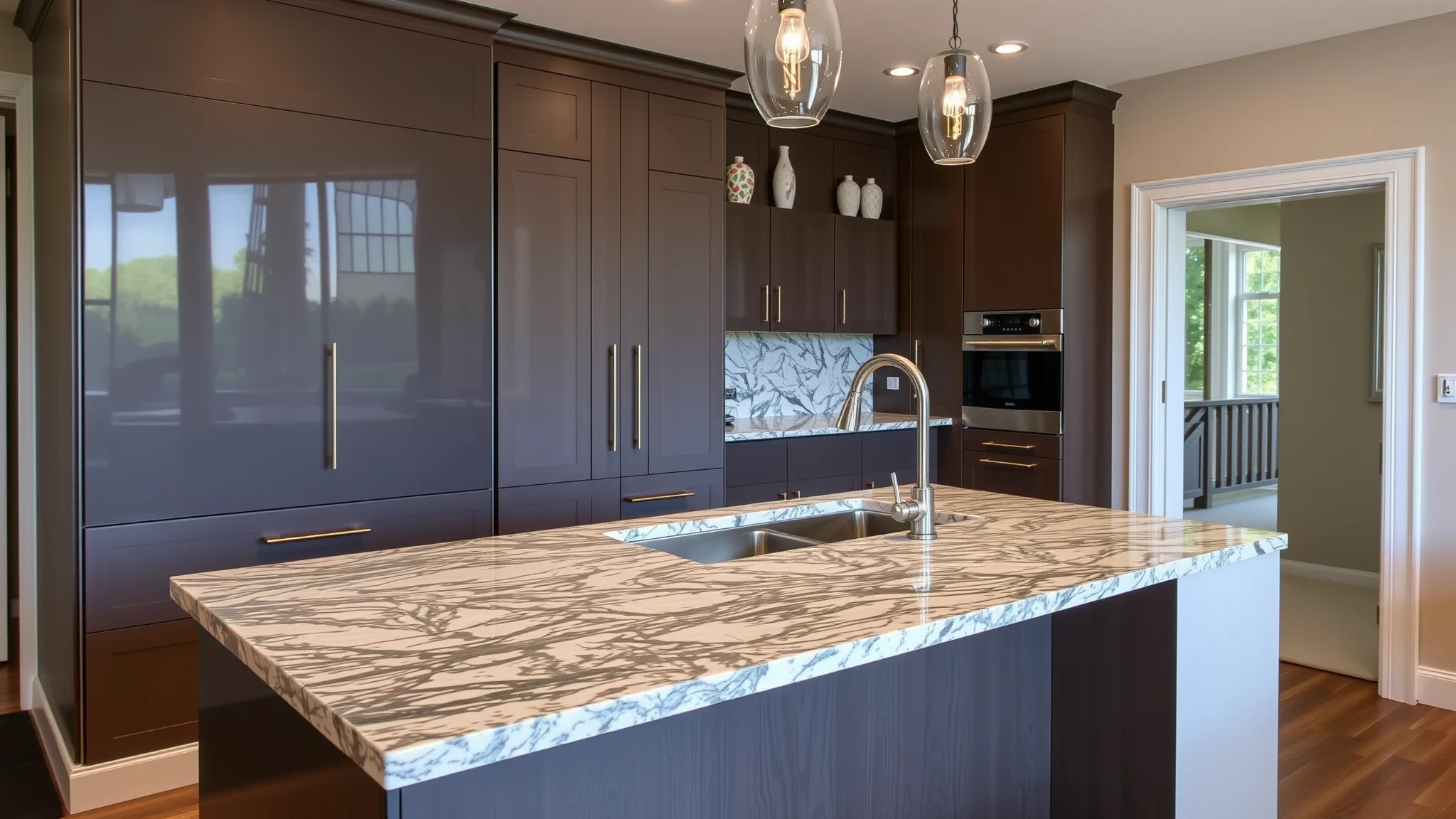
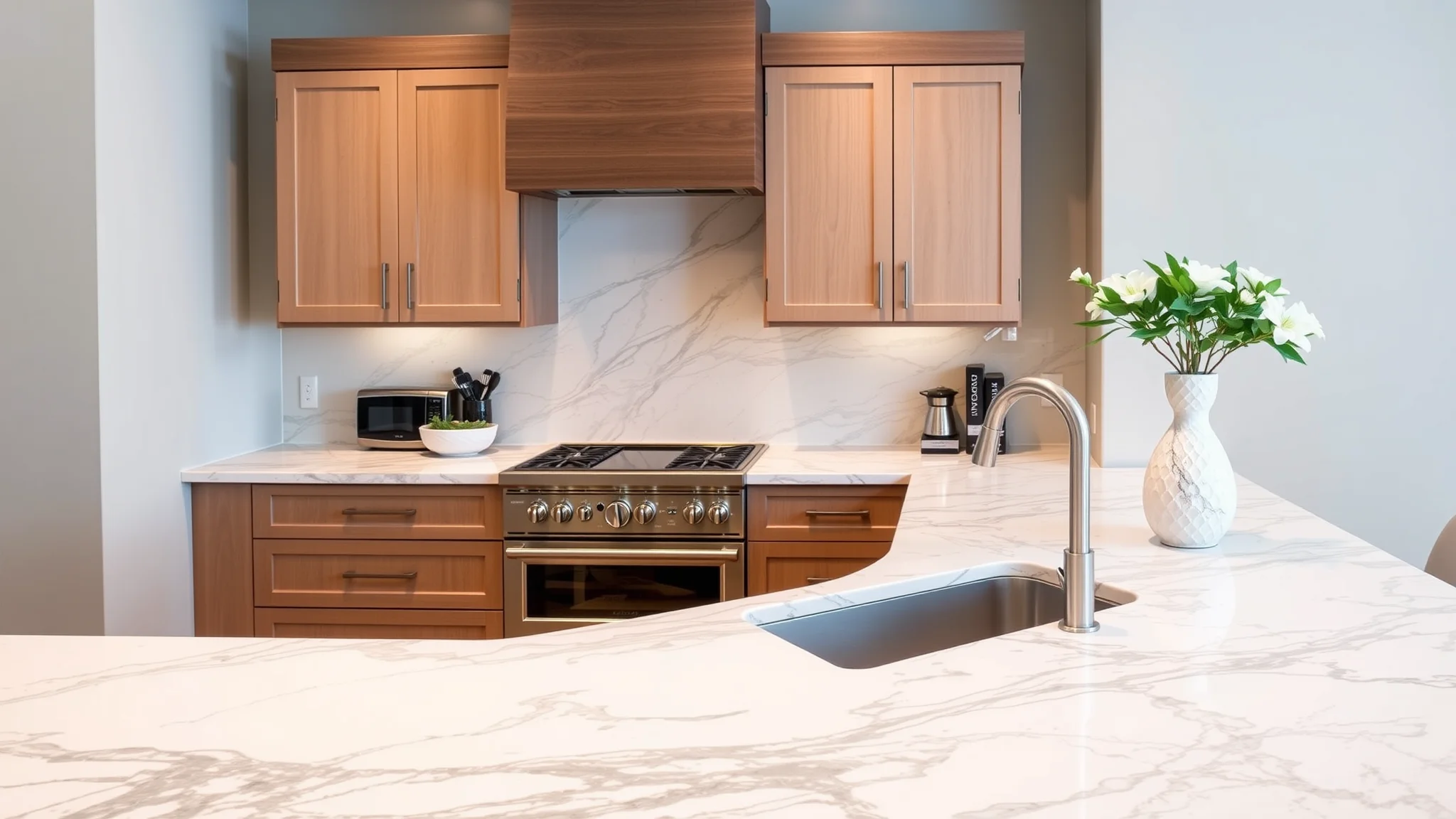
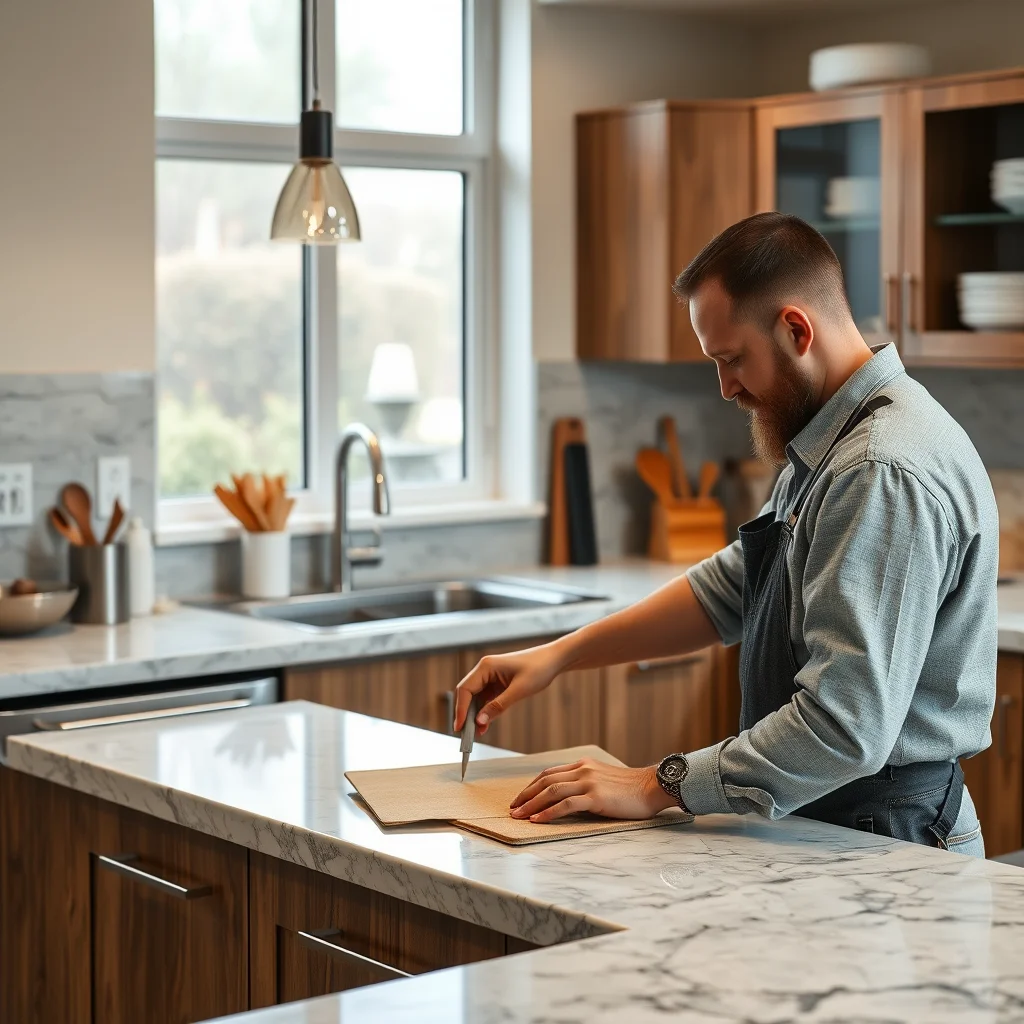
Countertops are often crafted from engineered quartz, natural stone like granite, or even concrete—materials recognized for their resilience against scratches, heat, and staining. These attributes are essential because countertops endure frequent contact with sharp knives, hot pans, and acidic substances. For instance, warm brown granite countertops exemplify how natural stone blends durability with rustic aesthetics.
Indeed. While countertops typically demand regular sealing and careful cleaning to preserve their finish and resist stains, many modern materials like quartz or sealed granite simplify maintenance. Conversely, table tops—especially those made of softer woods or intricate designs—may require gentle cleaning and periodic refinishing. This distinction underscores how functionality extends into ongoing upkeep, affecting long-term usability.
In What Ways Do Aesthetic and Style Play a Role in Functional Comparison?
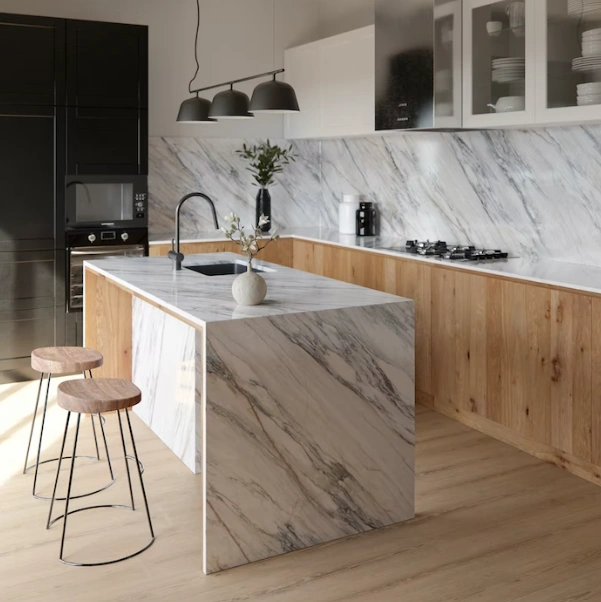
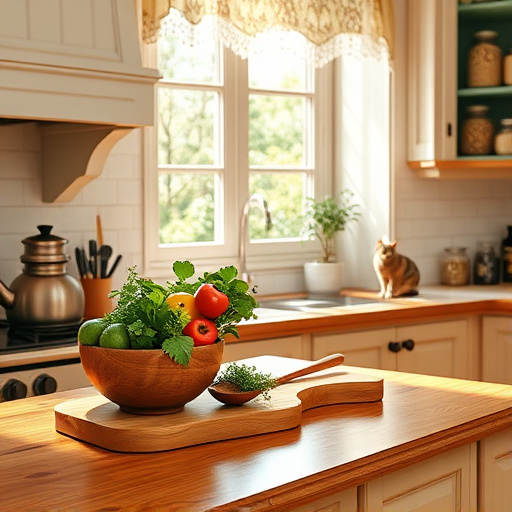
Absolutely. The visual harmony of a table top can influence its utility by encouraging usage and integration into the overall decor. For example, selecting a classic oak wood table top can evoke a sense of warmth and tradition, enhancing both the space's aesthetic and its inviting functionality. Check out our guide on [countertops oak wood for classic kitchens](https://bcgcabinetandstone.com/post/countertops-oak-wood-for-classic-kitchens) to explore wood’s timeless allure.
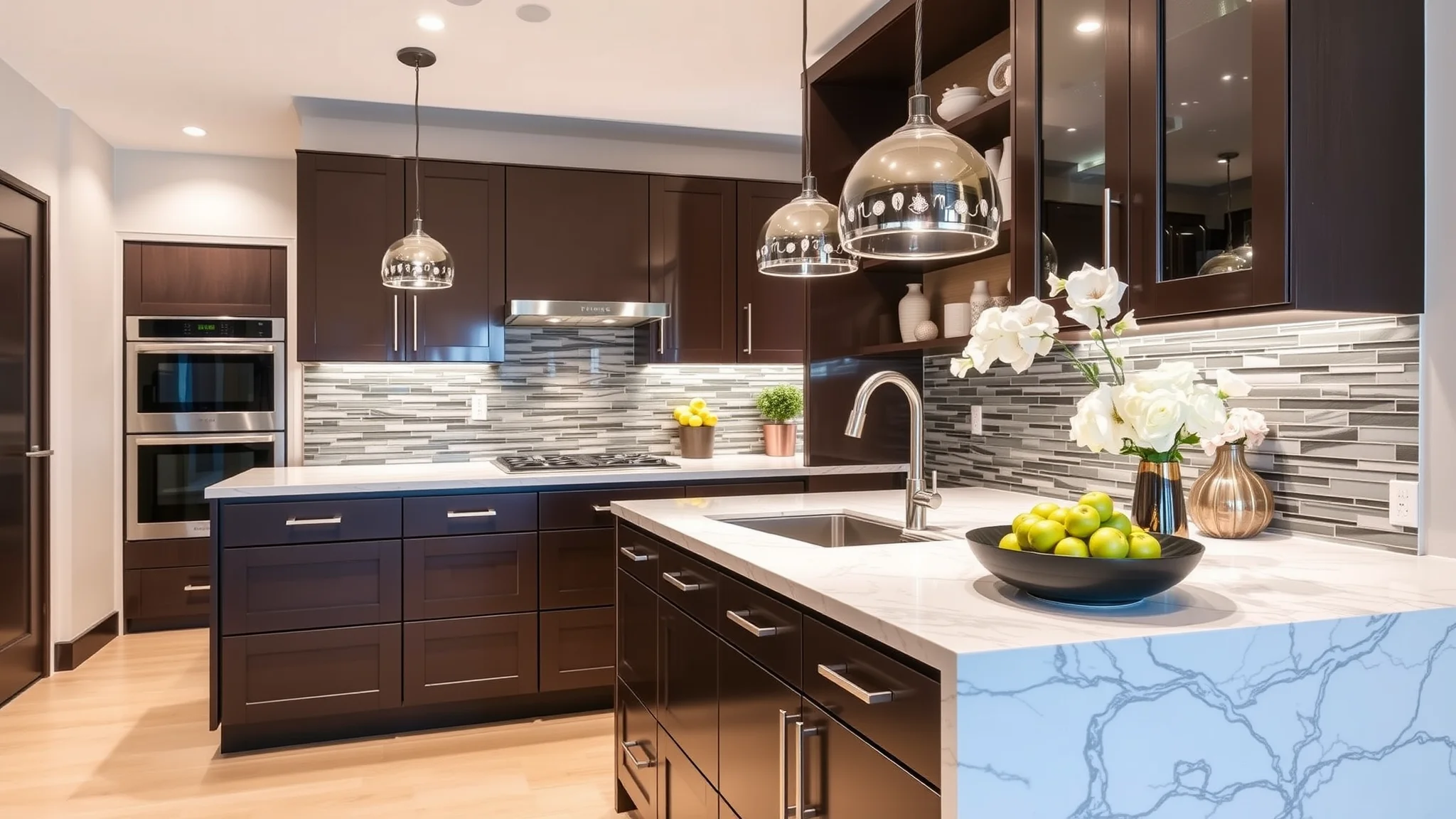
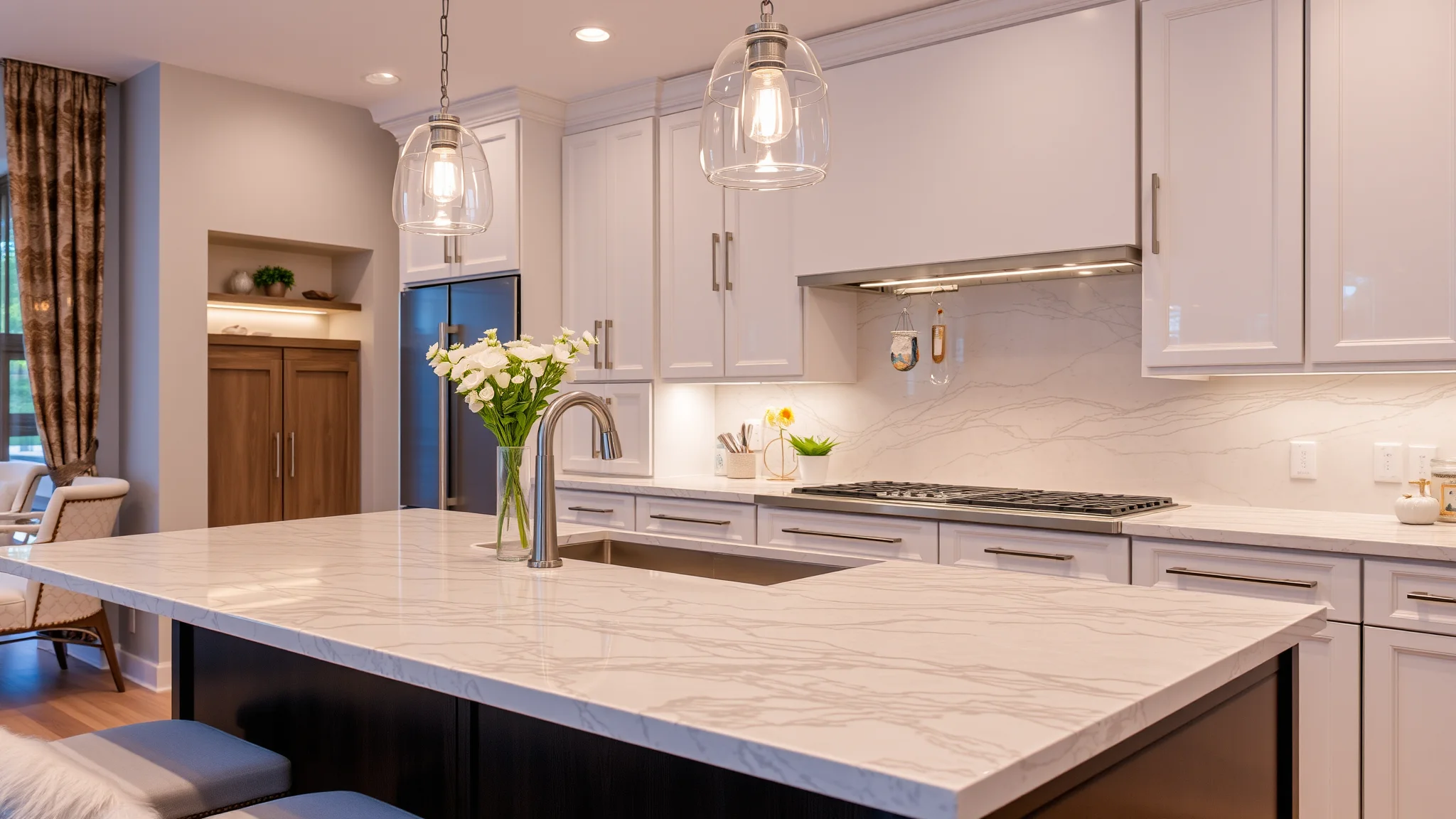
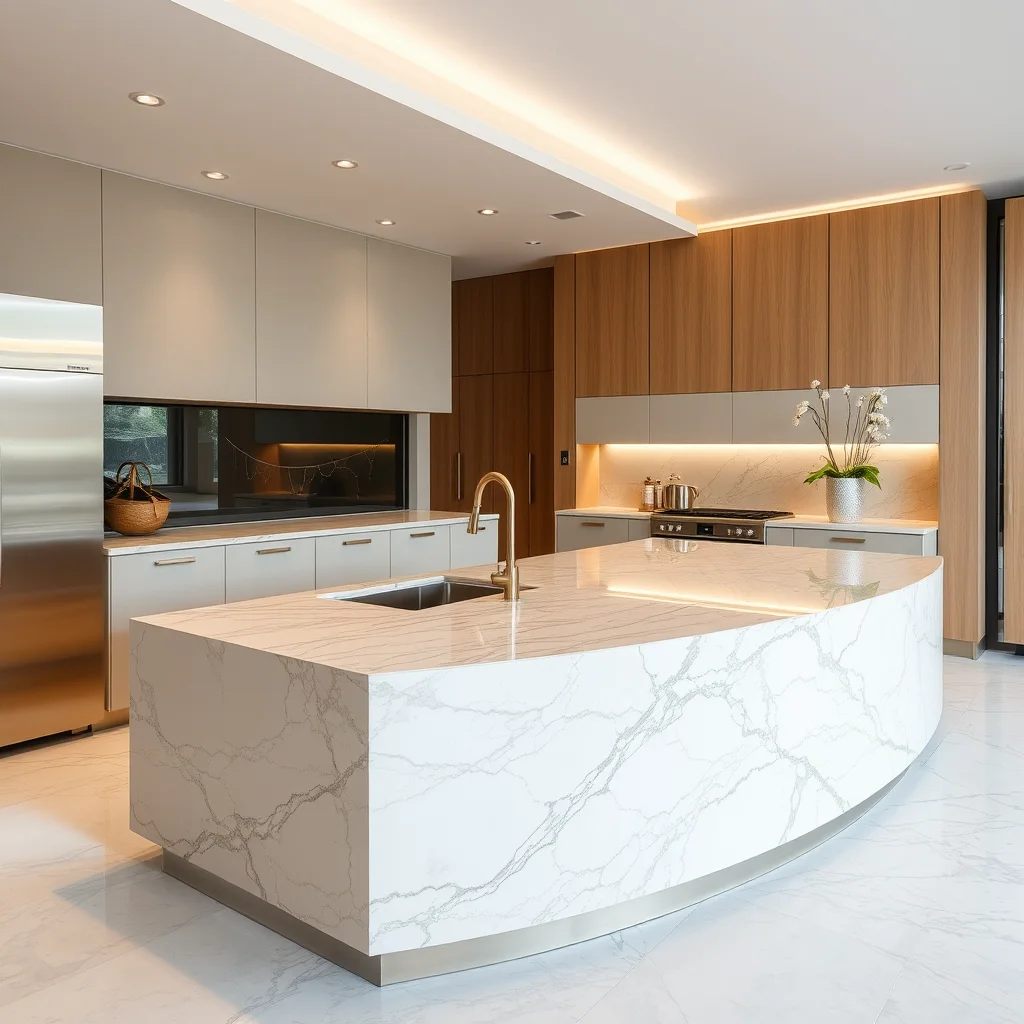
Design flexibility in countertops—such as incorporating seamless edges, integrated sinks, or decorative backsplashes—magnifies their functionality, making them adaptable for specific tasks or stylistic preferences. The material choice also impacts aesthetic integration, from sleek modern surfaces to rustic reconstructions.
What Are the Implications for Space Planning and Use in Different Rooms?
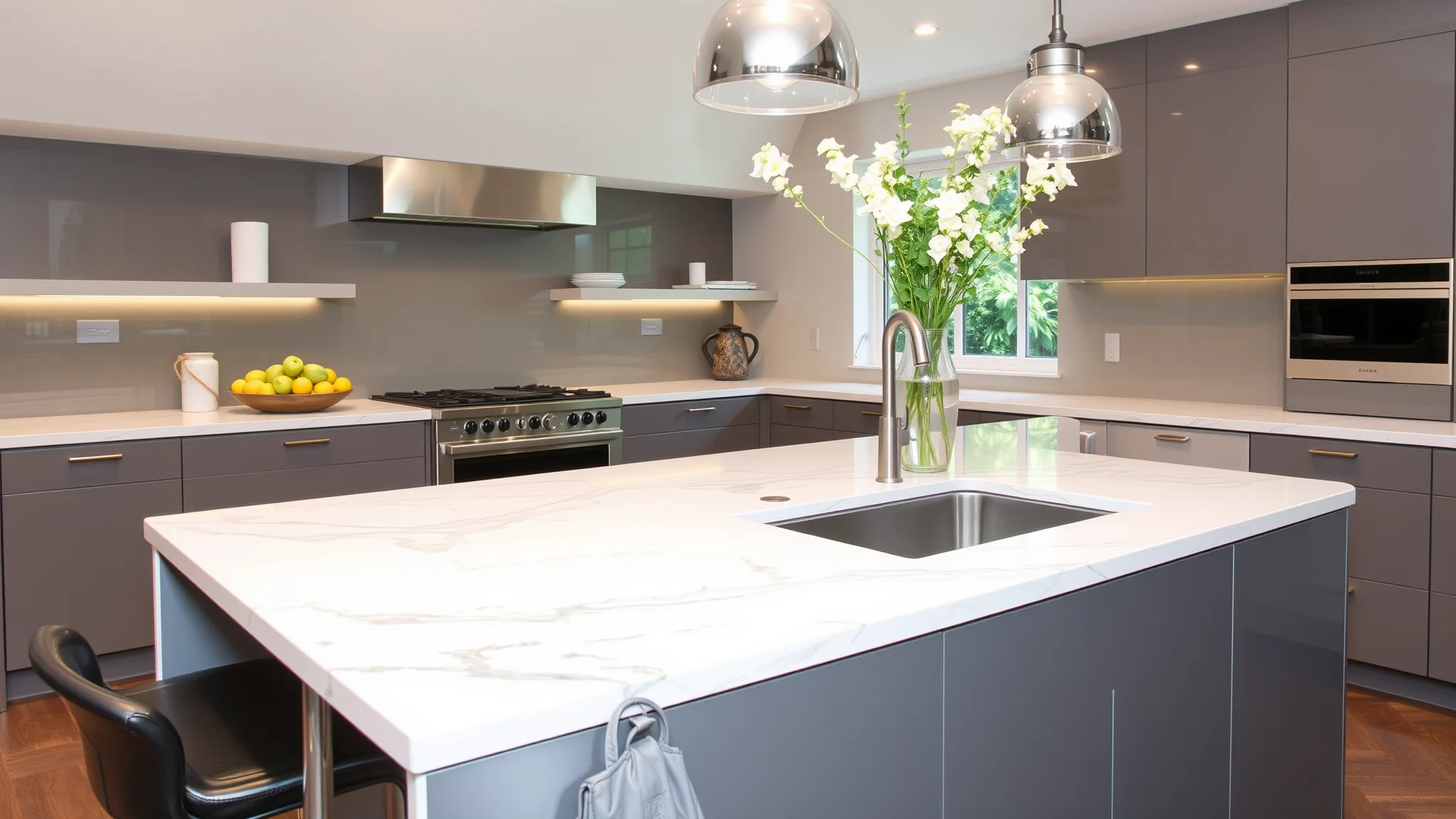
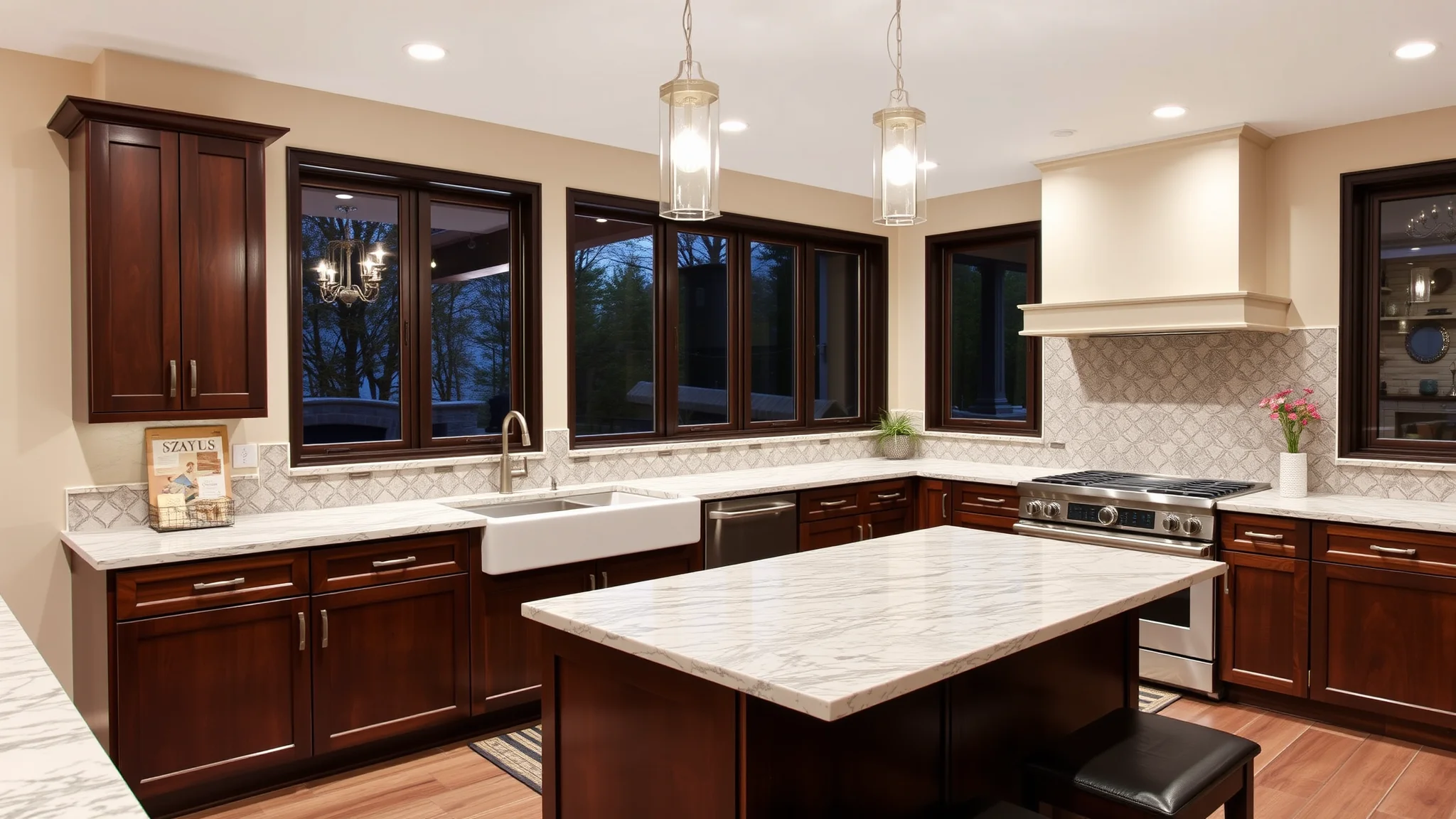
Kitchens demand surfaces that are both practical and resilient. Countertops provide an essential workspace designed to withstand daily abuse—hot pans, cutting, and spills—while integrating features like built-in sinks and appliances. By contrast, a kitchen table top acts as an eating and social hub, less exposed to industrial wear. For ideas on optimizing luxury kitchen spaces, see [best countertop design ideas for a luxury bar](https://bcgcabinetandstone.com/post/what-are-the-best-countertops-design-ideas-for-a-luxury-bar-area).
Living and dining areas often favor table tops for their inviting appeal, accommodating family gatherings, work, or entertainment. The choice of material—such as warm brown granite or sophisticated wood—affects the room’s ambiance and functional interaction.
How Do Material Choices Affect Functionality and Suitability?
Natural stones like granite and marble, engineered quartz, concrete, and solid surface materials each bring unique strengths. Granite, known for its durability and timeless beauty, is ideal for countertop applications—see our article on [warm brown granite countertops](https://bcgcabinetandstone.com/post/countertops-warm-brown-granite-for-rustic-charm). Engineered quartz offers high resistance to stains and scratches, making it a favorite for high-traffic areas. Materials like wood or laminate are often chosen for table tops due to their warm looks and versatility.
Oak wood table tops exemplify classic elegance and ease of refinishing, yet may require more care to prevent damage. Their functionality is complemented by their aesthetic warmth, fitting seamlessly into traditional interior designs. For a deeper understanding of wood's applications, explore [countertops oak wood for classic kitchens](https://bcgcabinetandstone.com/post/countertops-oak-wood-for-classic-kitchens).
Which Tips Help to Optimize Functionality While Maintaining Elegance?
- Choose high-quality, durable materials tailored to your primary use—consult our guide on understanding countertop specifications for detailed insights.
- Incorporate design features that enhance usability, like rounded edges or integrated storage.
- Match the surface material with your room’s aesthetic to ensure cohesive elegance.
- Prioritize ease of maintenance suited to your lifestyle to prolong aesthetics and functionality.
What Are the Environmental and Sustainability Aspects to Consider?
Yes. Reclaimed wood, recycled glass countertops, and low-VOC finishes promote eco-friendly options, aligning functionality with environmental responsibility. Sustainable materials often offer comparable durability, combined with reduced ecological footprints, ensuring that elegance and utility contribute to a healthier planet.
Frequently Asked Questions (FAQ)
While cost varies based on materials and design, countertops tend to be more expensive due to their durability and integrated features. Table tops, especially those made with softer woods or laminate, can be more budget-friendly but may require more maintenance over time.
Yes, in many modern homes, countertops are designed to be multifunctional—serving as both workspace and dining area, especially in open-concept layouts. However, comfort and height considerations are important for prolonged dining use.
Natural stones like granite and quartz are excellent for outdoor use due to their weather resistance and durability. Proper sealing and maintenance are essential to prolong their lifespan outdoors.
Conclusion
In navigating the question how do countertops compare to table tops in functionality, it becomes evident that both have distinctive advantages tailored to specific uses. Countertops prioritize resilience, utility, and seamless integration within kitchen spaces, while table tops excel in adaptability, comfort, and aesthetic versatility for dining and social areas. The choice hinges on your lifestyle, aesthetic preferences, and functional requirements.
By understanding the materials, design options, and maintenance needs, you can select surfaces that maximize utility without compromising your space’s elegance. Whether crafting a luxurious kitchen, cozy dining nook, or multifunctional living area, thoughtful surface selection ensures your environment is both beautiful and practical.
For professional guidance tailored to your unique needs, consult with experts like BCG CABINET & STONE LLC. Our expertise in custom cabinetry and premium countertops ensures your space not only looks stunning but functions flawlessly.